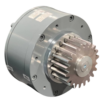
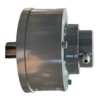
Description
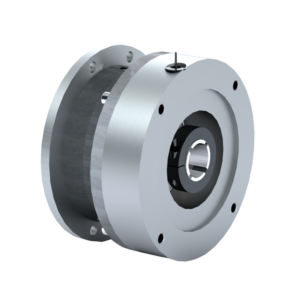
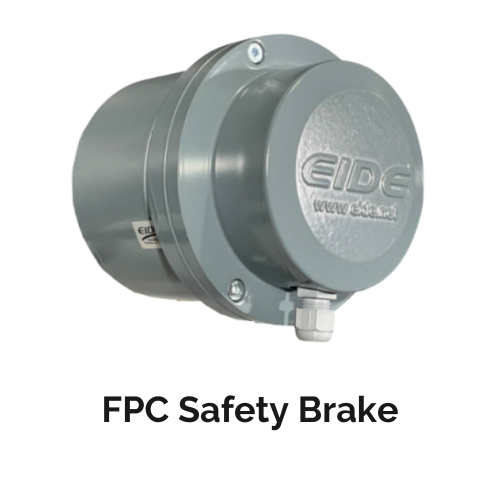
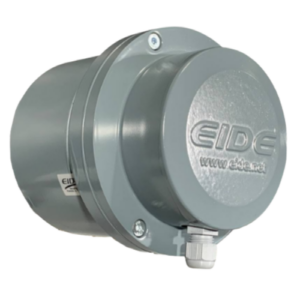
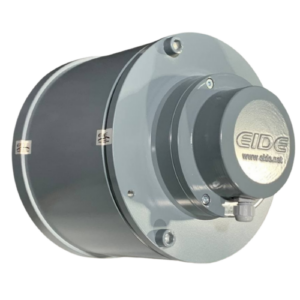
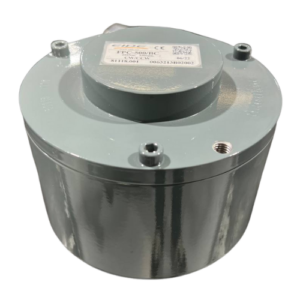
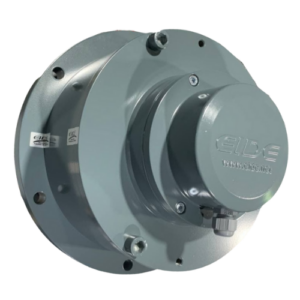
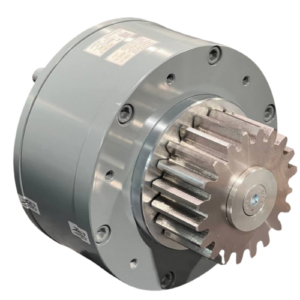
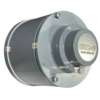
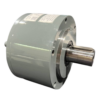
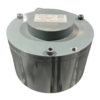
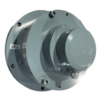
What is the Safety Brake FPC?
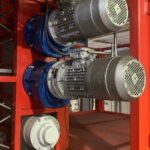
A parachute brake is a centrifugal overspeed safety device fitted to the drive shaft of a rack-and-pinion elevator or hoist. It takes its name from its function: like a parachute, it deploys automatically when the system enters freefall or uncontrolled descent, arresting the movement before it becomes catastrophic.
How does the FPC work?
The FPC parachute brake works by sensing rotational speed through internal centrifugal weights. During normal operation, the weights are held retracted by spring force, and the brake shaft rotates freely. When the shaft speed exceeds the activation threshold, typically set at 30 to 50 per cent above nominal speed, the centrifugal force on the weights overcomes the spring preload. The weights expand outward and engage the braking mechanism, clamping the shaft and stopping the platform progressively until it is fully immobilised.
Engagement is progressive, not abrupt. The braking force builds gradually through the centrifugal mechanism, stopping the load without shock loading the structure or the passengers.
FPC safety brake: key technical features
- Centrifugal activation: no electrical signal or control input required
- Progressive engagement for controlled deceleration
- Activation threshold: 30 to 50 percent above nominal descent speed (adjustable within range)
- Unidirectional standard (descent direction only), bidirectional version available on request
- Automatic reset: raise the platform a few centimetres to reset, no tools or operator intervention required
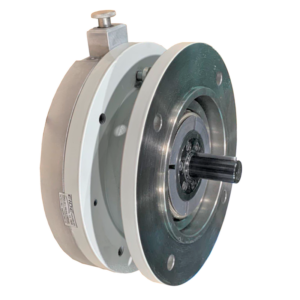
- Easy microswitch access for maintenance and inspection
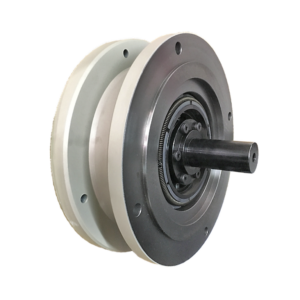
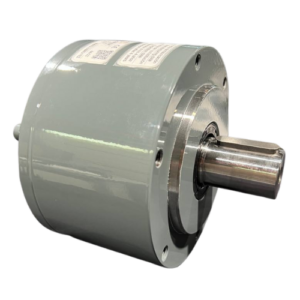
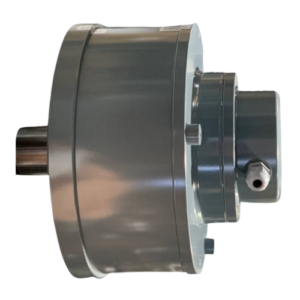
- Single output shaft, twin shaft (double mast lifts), and hollow shaft configurations available
- Maximum load: up to 7,800 kg (7,000 Nm)
- Maximum speed: over 120 m/min
- Certifications: ATEX, CE, TUV Rheinland, IPAF member
- Standards: EN 12158, EN 12159, EN 1495, EN 81, Lift Directive 2014/33/EU, ATEX Directive 2014/34/EU
FPC vs other safety brakes: which do you need?
The FPC is a centrifugal overspeed device. It engages only when speed exceeds a threshold. It does not hold the load during normal standstill or controlled stops. For a complete elevator safety system, the FPC is typically combined with:
- A motor holding brake (FDB or FDW): spring-applied electromagnetic brake that holds the shaft when the motor is de-energised during normal stops and standstill.
- An overspeed governor or speed limiter: a centrifugal brake that controls the overspeed, as a first line of defence before the FPC engages.
EIDE supplies all three components. If you are specifying a complete braking system for a rack-and-pinion elevator or hoist, contact our technical team with the platform load, travel speed, mast configuration, and applicable standards, and we will specify the full braking package.
Versatile applications
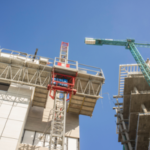
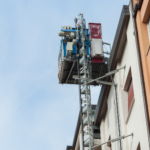
The FPC is used in a wide range of applications, from construction hoists to work platforms and wind towers, demonstrating its utility across multiple sectors.
Automatic reset
After activation, the Safety Brake FPC can be automatically reset by raising the platform a few centimetres against the locking direction. Work can resume immediately without manual intervention.




Contact our technical team
For applications requiring a spring-applied electromagnetic holding brake on the elevator drive motor (separate from the parachute overspeed function), see the FDB and FDW brake series.